Conditions · Body · Dermal Scarring

Stretch Marks: Torn Collagen, Two Stages

Medically reviewed by Dr Sin Yong · Last reviewed 7 October 2026 · 9 min read · Assessed personally by Dr Sin Yong · Jump to questions

A stretch mark is a tear in the dermis — collagen and elastin that gave way under stretching faster than they could remodel. Red-purple marks are the fresh, active stage; white marks are the settled scar. The stage decides the strategy, and the window matters.

WhatsApp Dr Sin Yong →
Invited by Device Makers to Share His Expertise
International KOL for 14+ device brandsShared his clinical expertise with 500+ doctors across AsiaMBBS (NUS) · MRCS (Edinburgh) · MSc with Distinction (Queen Mary, London) · MSc (Cardiff)Every assessment personally by Dr Sin Yong

Red and white stretch marks are the same tear in the dermis at different stages. Red or purple marks (striae rubra) are new, inflamed and still have an active blood supply; white or silver marks (striae alba) are the mature, settled scar. Red marks generally respond better to collagen-inducing treatment, so the colour shapes the plan.

Key takeaways
  • Stretch marks are dermal scars from collagen and elastin tearing under rapid stretch, not a surface problem.
  • Red or purple marks are early and still vascular; white or silver marks are mature scars.
  • Colour stage shapes the plan, and earlier assessment of red marks matters.
  • Creams and oils do not change a dermal scar; collagen-inducing treatments aim to soften and flatten.
  • An aesthetic physician assesses the stage; sudden widespread striae without a clear cause need a medical review.

Key Facts

What tears
Dermal collagen and elastin under rapid stretch — pregnancy, growth spurts, weight or muscle gain
Striae rubra
Red/purple: early stage, inflamed, vascular — the responsive window
Striae alba
White/silver: mature stage, atrophic scar — slower, partial remodelling
Well-evidenced device axis
Microneedling — meta-analysis supports improvement in striae
Complementary energies
Fractional lasers and RF microneedling for collagen induction
Honest endpoint
Softer, flatter, less visible — never 'gone'
Who assesses this
An aesthetic physician — colour stage decides the plan
Typical first step
Red vs white staging; red marks are the responsive window

What do stretch marks look like?

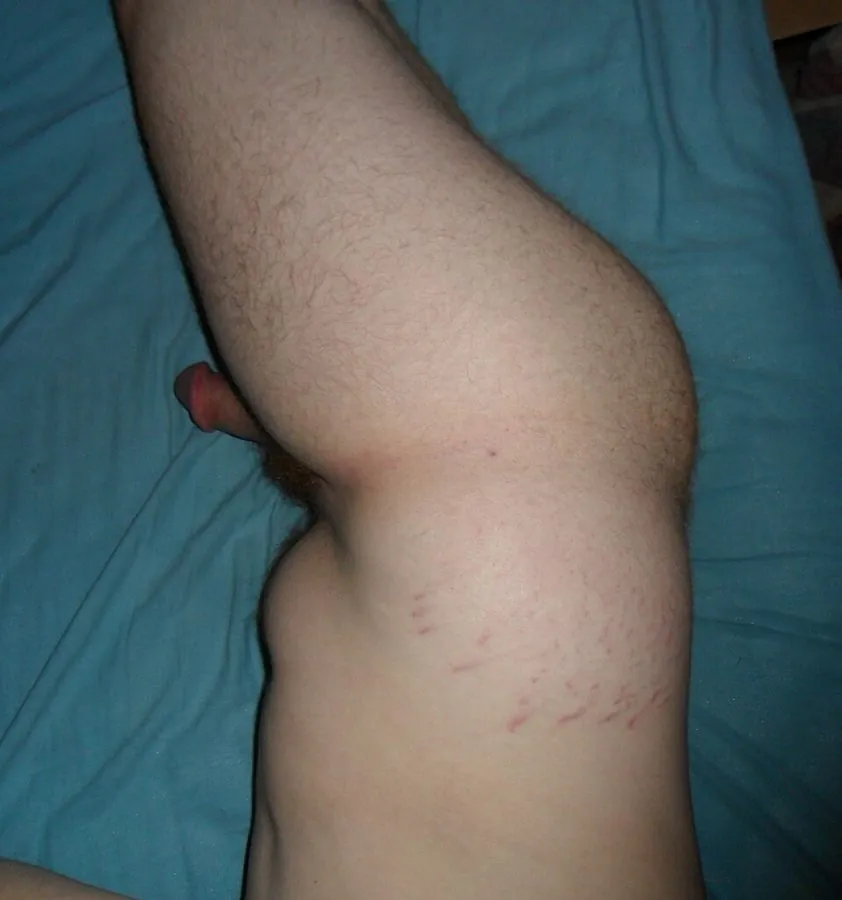
Early-stage red striae (striae rubrae) before they fade to white
Early-stage red striae (striae rubrae) before they fade to white. Image: Handcuffed, via Wikimedia Commons (CC0).
Striae over the shoulder and chest in a male
Striae over the shoulder and chest in a male. Image: Taleb247, via Wikimedia Commons (CC0).
Striae over the hip and buttock
Striae over the hip and buttock. Image: Handcuffed, via Wikimedia Commons (CC0).

Are red and white stretch marks different problems?

When skin stretches faster than its collagen can remodel — pregnancy, adolescent growth, rapid weight or muscle gain, corticosteroid exposure — the dermis tears in parallel lines. Fresh tears are striae rubra: red-to-purple, still vascular and biologically active. Left alone they mature into striae alba: pale, slightly sunken atrophic scars. The distinction is not cosmetic trivia — active rubra respond meaningfully better to collagen-inducing treatment than settled alba, which is why the treatment window is worth knowing about during and after pregnancy or bulking.

What the evidence supports

Because striae are dermal scars, treatments that work are collagen-induction treatments. A systematic review and meta-analysis of microneedling for striae distensae reports significant improvement across trials [1], and fractional energy platforms extend the same principle with heat-driven remodelling — the same device families covered in the acne scar literature [2]. Dr Sin Yong's stretch mark programme and RF microneedling stage treatment by striae age and skin type — pigment-safe settings matter in Singapore skin.

What doesn't work for stretch marks?

No cream removes a dermal scar; moisturised scar tissue is still scar tissue. Bio-oils and cocoa butter have affection but not evidence for removal. Tanning worsens contrast — the scar tans differently from surrounding skin. And “stretch mark removal” as a phrase over-promises: the evidence supports visible softening and flattening, not erasure. That is worth having — sold honestly.

“A stretch mark is a scar, and scars remodel — they do not vanish.”

— Dr Sin Yong

Dr Sin Yong’s Viewpoint

The single most useful thing I can tell a stretch-mark patient is about colour: red is the responsive window, white is the settled state. People wait years for marks to 'fade' — and they do fade, from red to white, which is not gone. If yours are still red, that is the time to act, not the time to wait.

Prefer Not to Use WhatsApp?

Use the short enquiry form instead →

Leave your name, mobile number and email and the clinic will contact you directly. No obligation.

Your details are delivered directly to Dr Sin Yong's clinic team.

Thank you — your enquiry has been received. The clinic will contact you during opening hours (Mon–Fri 10am–8pm, Sat 11am–3pm).

Prefer a preliminary view first? You can also WhatsApp a photo of the area for Dr Sin Yong to review before you decide on a visit.

Which type do you have?

Stretch mark types and look-alikes, and what each needs
Type / look-alikeHow to recognise itWhat it needsWhat does not work
Striae rubra (early)Pink, red or purple; may be raised or itchyEarly assessment; collagen-inducing treatment is consideredWaiting years, or pigment-lightening creams
Striae alba (mature)White or silvery, flat or slightly sunken, finely wrinkledRealistic aim of softer, flatter, less visible marksCreams, oils and tanning, which raise contrast
Pregnancy-related striaeAppear on tummy, hips or breasts during or after pregnancyStaging by colour; review timing after pregnancyExpecting prevention from creams alone
Steroid or hormone-related striaeWide, sudden or widespread, sometimes with other symptomsMedical review of the cause before cosmetic treatmentCosmetic treatment while the cause is unexamined
Stretch-like scars from injuryLinear marks following a wound rather than stretchingScar assessment to confirm type and planTreating them as ordinary striae without review

What does not work, and why

When to see a doctor

Myths we hear in clinic

“Moisturiser or oil will make stretch marks disappear.”

Moisturising helps comfort, but it cannot repair torn dermal collagen.

“White stretch marks have faded away.”

Fading from red to white means the mark has matured into a scar, not that it has gone.

Questions Patients Actually Ask

Can stretch marks be prevented in pregnancy?+

Genetics dominates. Steady weight change and supple, hydrated skin may reduce severity; nothing prevents striae in strongly predisposed skin — and that is not a failure of discipline.

Why did I get stretch marks from the gym?+

Rapid muscle gain stretches skin exactly as fat gain does. Shoulders, chest and thighs are classic sites in fast bulks.

Are red stretch marks easier to treat?+

Yes — meaningfully. Rubra are biologically active and respond better to collagen induction. If treatment is on your mind, earlier is genuinely better.

Does microneedling really work for striae?+

It carries the strongest device evidence, including meta-analysis-level support for improvement. Multiple sessions and realistic expectations are part of the deal.

Will stretch marks come back after treatment?+

Treated marks remodel and stay remodelled — but new stretching creates new marks. Stability protects results.

Are stretch marks ever a medical warning sign?+

Rarely: sudden widespread striae with other changes can accompany hormonal conditions or steroid excess. New unexplained striae without a growth/weight cause deserve a medical look.

How long do stretch marks stay red?+
It varies. Red or purple striae usually fade towards white over months, sometimes longer, depending on the cause, skin type and whether the stretching is still going on. Fading from red to white is the mark maturing into a scar rather than disappearing, which is why the red stage is the one worth assessing.
What causes stretch marks?+
They form when skin stretches faster than collagen and elastin can adapt, so the dermis tears in parallel lines. Common triggers are pregnancy, adolescent growth, rapid weight or muscle gain and corticosteroid exposure. Genetics strongly influences who gets them, so they are not a reflection of how well someone looked after their skin.
Can stretch marks be fully removed?+
A stretch mark is a dermal scar, and scars remodel rather than vanish. Collagen-inducing treatment can soften and flatten marks and make them less visible, with red marks generally more responsive than white ones. Anyone promising complete erasure is over-promising, and the realistic aim is discussed at consultation.
What is the treatment for stretch marks?+
It depends on the type and stage. Red marks and white marks respond differently, and skin type, area, pigment risk and the cause of the stretching all influence the plan. Options include microneedling, fractional energy and radiofrequency microneedling. Dr Sin Yong stages the marks first, then explains which approach suits, if any.
How much does stretch mark treatment cost in Singapore?+
The fee depends on the area and its size, how many marks are treated, the stage of the marks, the device used and whether treatments are combined. A written quote is given at consultation after assessment. The consultation also decides whether treatment is advised, or whether waiting, observation or a medical review comes first.

References

  1. Microneedling Therapy for Striae Distensae: Systematic Review and Meta-Analysis — PubMed.
  2. Comparative Efficacy and Safety of Fractional CO2 Laser and Microneedling Radiofrequency for Atrophic Acne Scars: A Systematic Review — PMC.

Medically reviewed by Dr Sin Yong, MBBS (NUS), MRCS (Edinburgh) · Last updated 7 September 2026 · Editorial policy

Red (striae rubra) vs white (striae alba) stretch marks
FeatureRed stretch marks (striae rubra)White stretch marks (striae alba)
StageThe early, active stage of the dermal tearThe mature, settled scar that red marks become over time
Colour and feelPink, red or purple; sometimes slightly raised or itchyWhite or silvery; flat or slightly sunken, often with a finely wrinkled surface
What is happening in the skinInflammation and dilated blood vessels around torn collagen and elastinBlood vessels have regressed, leaving thinned dermis with reduced, disorganised collagen
Response to treatmentGenerally more responsive to collagen-inducing treatment such as microneedlingSlower and partial; treatment aims at softening and flattening
Realistic aimSofter, less visible marks, ideally treated while still redSofter, flatter, less visible marks rather than erasure
Follow Dr Sin Yong
InstagramTikTokYouTubeThreadsXLinkedInFacebook
Printable patient guide (PDF): Body contouring: what to know — medically reviewed by Dr Sin Yong.
Dr Sin Yong · Every assessment personally performed
WhatsApp Enquiry