RF Microneedling Singapore — Energy Delivered Where the Needle Ends
Medically reviewed by Dr Sin Yong · Last reviewed · 22 min read · Doctor-performed, never delegated · Jump to questions
Dr Sin Yong · MBBS (NUS) · MRCS (Edin) · MSc Aesthetic Medicine with Distinction (Queen Mary, London) · MSc Practical Dermatology (Cardiff) · International KOL
Microneedling makes the channel; radiofrequency does the work at the bottom of it. Energy is placed into the dermis at a chosen depth — not scattered across the surface — which is what makes RF microneedling useful for acne scars, enlarged pores, texture and early laxity, including in darker skin types where some lasers need more caution.
International KOL for 14+ device brandsShared his clinical expertise with 500+ doctors across AsiaMBBS (NUS) · MRCS (Edinburgh) · MSc with Distinction (Queen Mary, London) · MSc (Cardiff)Every treatment personally performed — never delegated
The Problem
Microneedling in Singapore ranges from needle-only facials to RF microneedling, which adds radiofrequency energy released at the needle tips inside the dermis. Dr Sin Yong uses RF microneedling for rolling and shallow boxcar acne scars, enlarged pores, uneven texture and early laxity, setting needle depth and energy zone by zone after an in-person assessment.
Also called: radiofrequency microneedling, gold RF microneedling, 黄金微针, ポテンツァ系RFマイクロニードル
Acne scars, enlarged pores, rough texture and early laxity are dermal problems — they live below the surface, in collagen that has been damaged, tethered or slowly lost. Creams work at the surface. Many light-based treatments concentrate their effect near the surface too. That mismatch is why texture concerns often plateau despite years of effort.
The Approach
Depth Is the Whole Point
RF microneedling places fine needles to a set depth and releases radiofrequency energy at the needle tips — heating the dermis where remodelling is wanted while sparing the surface. Depth, energy and coverage are chosen per zone after examining what is actually driving your texture, because a tethered scar, an enlarged pore and early jowling do not want the same settings.
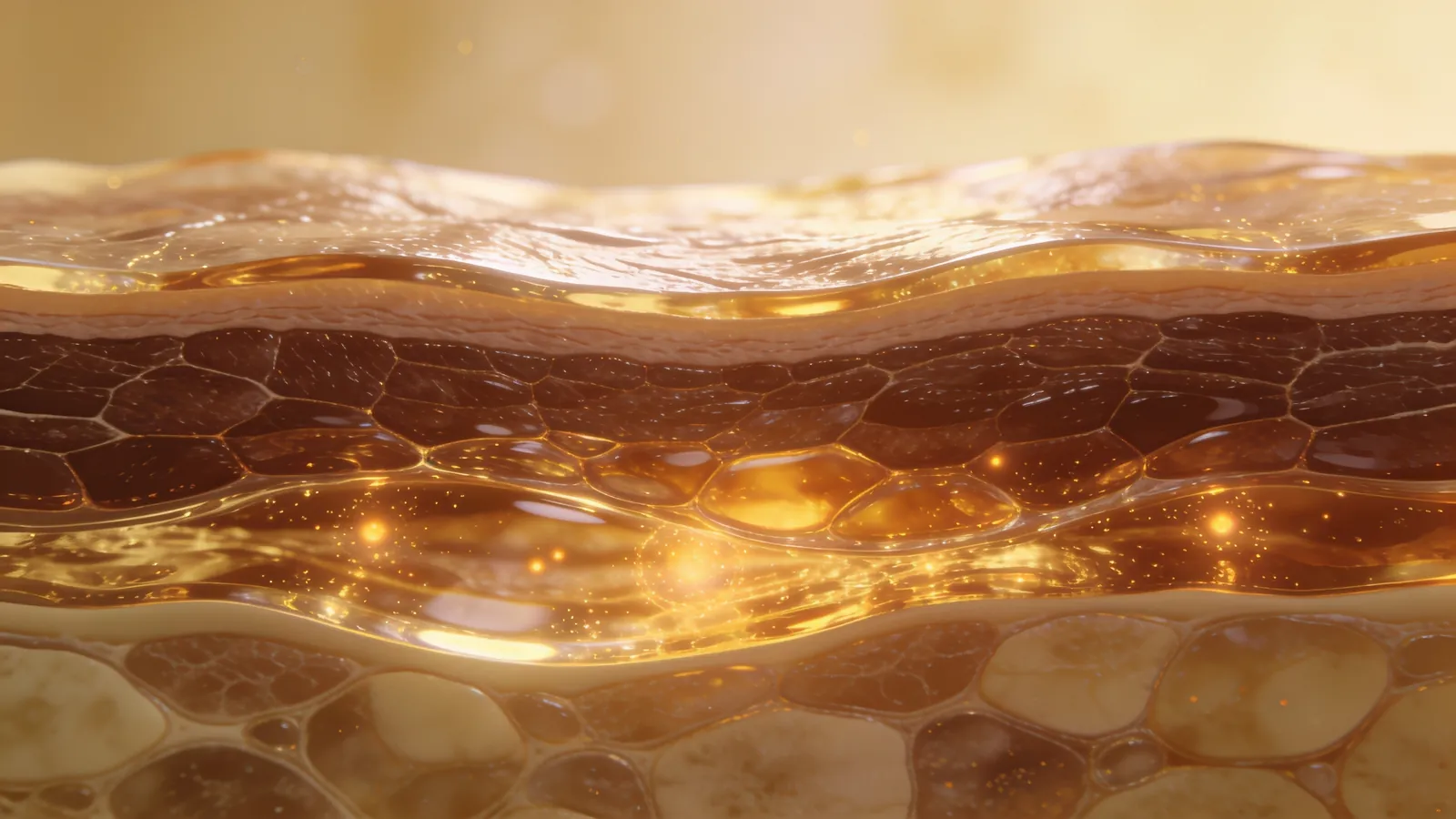
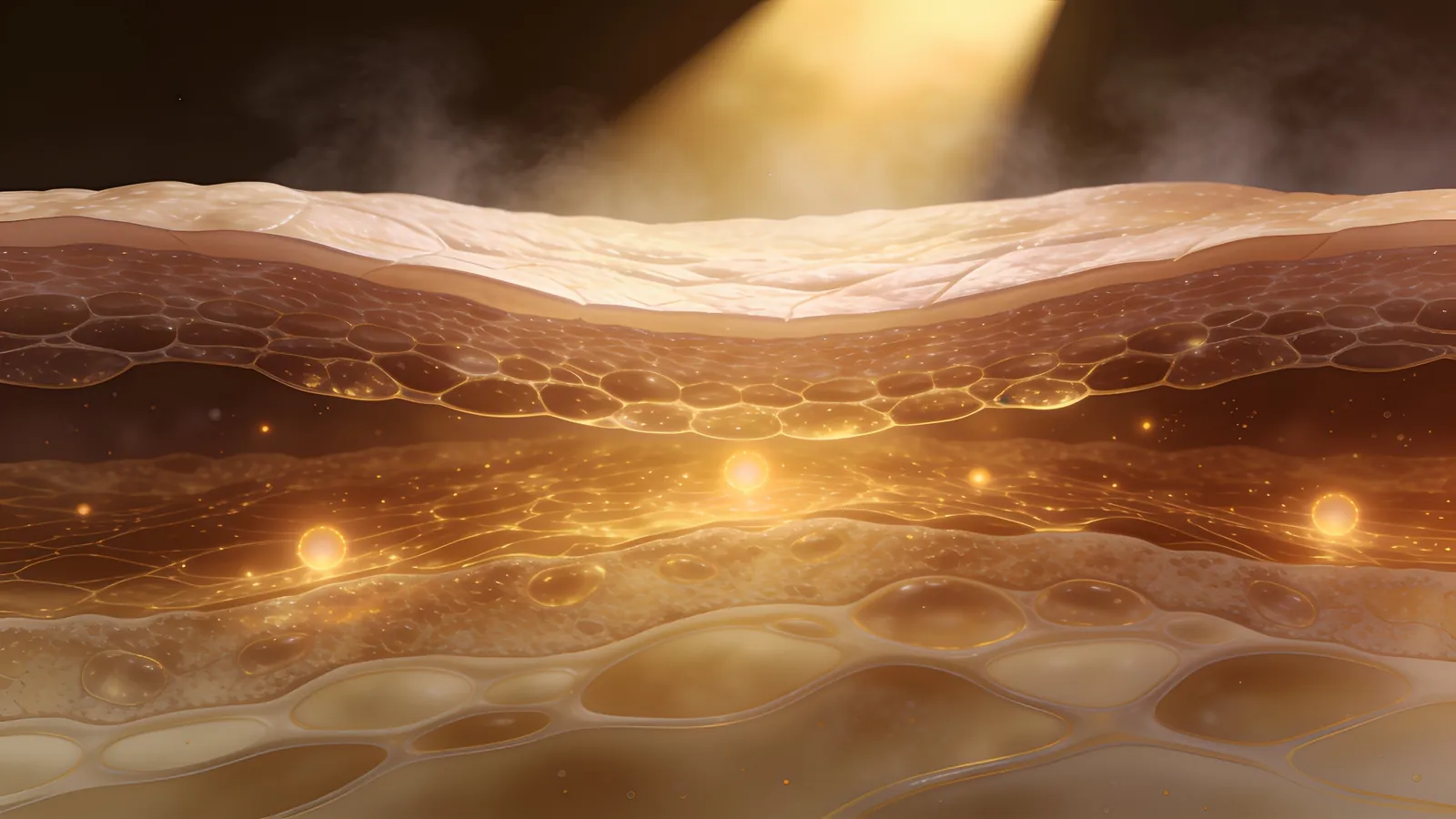
MechanismInsulated microneedles pass through the epidermis and release radiofrequency heat only at the exposed tip, inside the dermis.
How RF Microneedling Works
Each pulse insulates the journey and spends the energy at the destination: microneedles penetrate to a chosen depth — typically adjustable between about 0.5 and 3.5 mm — and radiofrequency current flows at the tips, creating controlled thermal zones in the dermis. The body responds to those zones with new collagen and elastin over time, which is the remodelling that scars, pores and crepey texture need.
Because the heat is delivered under the surface rather than through it, RF microneedling is workable across a wider range of skin tones — including Fitzpatrick III to V, common in Singapore — where surface-heavy treatments carry more pigmentation risk. It is not a laser and does not replace one; for some scars the right plan combines both, staged sensibly. That is an assessment decision, not a menu choice.
What RF Microneedling Addresses
Acne Scars
Rolling and shallow boxcar scars respond to dermal remodelling. Deep ice-pick scars and tethered scars usually need other tools first — acne scar treatment is planned by scar type, not by device.
Enlarged Pores
A pore is a structure, not a blemish — nothing shrinks a pore permanently. What dermal remodelling can do is firm the collagen around pores so they appear tighter and shadows soften. Honest expectations are part of the plan.
Skin Texture
Rough, uneven, “tired” texture that make-up exaggerates. Dermal collagen stimulation smooths the canvas gradually rather than overnight.
Early Skin Laxity
The stage before jowls — soft slackening along the jaw and lower face. RF microneedling addresses the dermal component; deeper laxity belongs to HIFU or lifting protocols.
Fine Lines
Static fine lines from collagen thinning, distinct from expression lines (which are muscle-driven and answer to BTX, not needles).
Oily, Congested Skin
Thermal zones around sebaceous units can help calm oil-driven congestion as part of a broader acne plan — managed together with medical acne treatment, not instead of it.
“Nothing shrinks a pore. Remodelling the collagen around it is the honest version of that promise.”Dr Sin Yong
Key Facts
RF Microneedling Singapore — the Mechanism in Numbers
Needle depth
Adjustable, typically 0.5–3.5 mm into the dermis
Energy
MHz-domain radiofrequency released at the needle tips
Effect zone
Controlled coagulation columns in the dermis, surface spared
Skin types
Workable across Fitzpatrick III–V with appropriate settings
Target tissue
Dermal collagen and elastin — remodelling, not resurfacing
Not a laser
No light chromophore; energy is electrical, delivered by contact
Reference: Hantash BM, Ubeid AA, Chang H, Kafi R, Renton B. Bipolar fractional radiofrequency treatment induces neoelastogenesis and neocollagenesis. Lasers in Surgery and Medicine. 2009;41(1):1-9.
The RF Microneedling Process
01
Assessment & Mapping
Skin type, scar types, laxity pattern and pigment risk are examined first. If RF microneedling is not the right tool for your particular scars, you will be told what is.
02
Numbing & Preparation
Topical anaesthesia is applied and the skin prepared. Comfort is managed throughout; most people describe pressure and warmth rather than pain.
03
Treatment by Zone
Depth and energy are set per zone — deeper on the cheeks and jaw, conservative around the eyes and bony areas. Coverage is systematic, not rushed.
04
Recovery & Review
Expect redness and pinpoint marks initially; recovery varies by settings and skin. Progress is reviewed and the plan adjusted — remodelling is gradual by nature, not a single-visit event.
Microneedling in Singapore: which kind are you being offered?
Microneedling in Singapore covers three quite different treatments, and the word alone does not tell you which one you are booking. A needle-only microneedling facial uses a pen or roller to create fine channels; the repair response to those channels is the whole mechanism. Some versions add a serum or growth-factor solution to the surface, which changes what sits in the channels but not how deep the effect reaches.
Illustrative image — not a patient.
RF microneedling is a separate category. The needles are only the delivery route; the work is done by radiofrequency energy released at the tips, inside the dermis, at a depth set for each zone. Devices also differ in whether the needles are insulated along the shaft, which spares the surface, or uninsulated, which heats along the whole track.
That is why a microneedling facial and RF microneedling should not be compared on the word they share. One is a surface-led repair stimulus; the other places controlled heat where tethered collagen, enlarged pores and early laxity actually sit. Which of these your skin needs is decided by examining it, not by the name on the menu.
What determines the cost of RF microneedling in Singapore?
The cost of RF microneedling in Singapore follows the treatment plan rather than a fixed price list, because two people asking for the same treatment rarely need the same thing.
Four things shape it. The first is the area: a single zone such as the cheeks differs from full-face or neck coverage. The second is what the assessment finds — rolling scars, boxcar scars, pores and early laxity call for different depths and energy, and some scars need subcision or TCA CROSS before RF microneedling is useful. The third is whether RF microneedling stands alone or is combined with laser resurfacing, which changes the plan. The fourth is staging: remodelling is gradual, so the plan is reviewed and adjusted rather than fixed in advance.
A figure quoted before anyone has examined your skin would not reflect your scars, your skin type or your pigment history. Cost is set out clearly at consultation, before anything is agreed, so you can decide with the full picture.
Who should not have RF microneedling?
RF microneedling is not suitable for everyone, and some situations mean waiting or choosing a different tool. Active infection, inflamed acne or open wounds in the treatment area are usually settled first, because needling through active inflammation is the wrong order of work.
Some conditions call for particular caution or a different plan: a pacemaker or other implanted electronic device, metal or gold-thread implants in the area, pregnancy, a tendency to keloid or hypertrophic scarring, a bleeding tendency or blood-thinning medication, and recent use of oral isotretinoin. A history of post-inflammatory pigmentation does not rule treatment out, but it changes the settings and the preparation.
These are not reasons for alarm; they are the questions asked at assessment. Your medical history, current medicines and recent treatments elsewhere are reviewed before any settings are chosen, and if RF microneedling is not the right tool for you, you will be told what is.
How to care for your skin after RF microneedling
Aftercare following RF microneedling is simple, and following it closely matters more than any product you add. Expect redness and fine pinpoint marks at first; how long these take to settle depends on the depth and energy used and on your skin.
Keep the skin clean with a gentle cleanser and a plain moisturiser, and avoid scrubs, retinoids and exfoliating acids until you are told to restart them. Do not pick at any small scabs. Sun protection is essential, particularly for Fitzpatrick III to V skin, where unprotected sun exposure during healing raises the risk of post-inflammatory pigmentation. Make-up, swimming, saunas and intense exercise should wait until the treated skin has settled, and specific timings are given to you on the day.
If redness worsens rather than eases, or the skin becomes increasingly painful, swollen or weepy, get in touch rather than waiting for the review. Remodelling continues quietly under the surface, so progress is judged at review, not in the mirror the following morning.
Illustrative image — not a patient.
RF microneedling and the realistic alternatives for scars, pores and texture
Option
What it does
What it cannot do
Typical recovery
Who it tends to suit
RF microneedling
Releases radiofrequency energy at a chosen depth in the dermis to stimulate collagen and elastin remodelling while sparing the surface
Release tethered scars, treat deep ice-pick scars on its own, clear pigment, or lift deeper laxity
Redness and pinpoint marks at first; varies with depth and energy
Rolling and shallow boxcar scars, enlarged pores, uneven texture and early laxity, including Fitzpatrick III–V skin
Fractional CO2 laser resurfacing (S3 Resurfacing)
Ablates microscopic columns of skin to resurface texture and remodel scar edges
Free a tethered scar from below or address volume loss
A surface healing phase with redness and flaking; length depends on depth and settings
Boxcar scars and coarse texture where a resurfacing effect is wanted and pigment risk has been assessed
Subcision
Releases the fibrous bands that pull rolling scars down, so the skin can lift from beneath
Resurface the skin or rebuild collagen across a wide area
Bruising and swelling around treated scars that settle
Rolling scars that are tethered — often planned before RF microneedling or laser
TCA CROSS
Places concentrated trichloroacetic acid into individual narrow scars to prompt collagen from the base
Treat broad, rolling or widespread texture
Small crusts on the treated points that settle
Deep, narrow ice-pick scars
HIFU or energy-based lifting
Delivers focused energy deeper than the dermis to address laxity of the lower face
Remodel acne scars or refine pores
Transient redness or tenderness; varies with the protocol
Laxity beyond the dermal component, such as early jowling
Medically reviewed by Dr Sin Yong · Updated 5 October 2026
How Dr Sin Yong approaches RF microneedling
Dr Sin Yong performs RF microneedling personally on Secret Duo, a platform that pairs radiofrequency microneedling with a 1540 nm non-ablative fractional laser. Planning starts with the tissue plane: he decides the depth at which each scar, pore field or area of laxity sits before choosing needles, depth or energy.
He chooses between insulated and non-insulated needle cartridges according to skin type and target. Insulated needles, which release energy only at the tip, are generally his choice in Fitzpatrick IV to VI skin; non-insulated needles, which heat along the whole shaft, are used for broad, shallow textural work. Depth and energy are then set zone by zone, deeper over the cheeks and jaw and conservative around the eyes and over bone.
Where the skin around a scar also needs attention, the 1540 nm fractional laser on the same platform can be used in the same visit. Tethered scars are released by subcision and deep ice-pick scars treated with TCA CROSS first, so that RF microneedling is staged after the steps it cannot do itself.
Sylfirm X compared: how it differs from other RF microneedling
Sylfirm X is a radiofrequency microneedling device made by Viol in Korea and used by a number of clinics in Singapore. Like other RF microneedling systems, it places fine needles into the dermis and releases radiofrequency energy at the tips. What distinguishes it is a choice of pulsed-wave and continuous-wave modes; the pulsed-wave mode is why it is often discussed for redness- and pigment-adjacent concerns, such as melasma-associated redness and rosacea, as well as for scars and texture.
The RF microneedling Dr Sin Yong performs is on Secret Duo, which differs in two practical ways. It offers both insulated needles, which release energy only at the tip and spare the surface, and non-insulated needles, which heat along the whole shaft for broad, shallow texture work. It also carries a 1540 nm non-ablative fractional laser on the same platform, so the skin around a scar can be treated in the same visit.
Neither device is ranked above the other. Device-specific randomised data are limited for each, and the published evidence sits at the level of RF microneedling as a modality, particularly for atrophic acne scars. What decides the plan is scar type, depth and Fitzpatrick skin type, not the brand on the handpiece.
RF microneedling vs fractional laser
Factor
RF microneedling
Non-ablative fractional laser (1540 nm)
Ablative fractional CO2 laser
How energy is delivered
Radiofrequency current released at needle tips inside the dermis
Light absorbed by water in microscopic columns, leaving the surface intact
Light that vaporises microscopic columns of skin, surface included
Main level of effect
Mid to deep dermis, at a depth set for each zone
Epidermis and upper to mid dermis
Surface and dermis, resurfacing scar edges
Effect on the surface
Largely spared, particularly with insulated needles
Intact surface with fine micro-injury
Open micro-wounds that crust and flake as they heal
Pigment risk in Fitzpatrick III–V skin
Lower with insulated needles, because heat bypasses the epidermis; settings are still conservative
Present; managed with conservative settings
Higher; needs careful settings, skin preparation and sun protection
Typical recovery
Redness and pinpoint marks that settle; varies with depth and energy
Redness and mild swelling for a short period
A surface healing phase with redness and flaking, usually the longest of the three
Tends to suit
Rolling and shallow boxcar scars, pores, texture and early laxity
Fine texture, mild scarring and overall skin quality
Boxcar scars and coarse texture where resurfacing is wanted
Consultation, treatment day, first days and review for RF microneedling: what usually happens, what to avoid, and that a review is arranged.
What recovery looks like after RF microneedling
The sequence below describes phases, not a timetable: how quickly each passes depends on the settings used, the area and the person, and is discussed at consultation.
Immediately afterRedness, warmth and fine pinpoint marks across the treated zones; the skin can feel tight, like a sunburn.
The first eveningOnly bland cleanser and moisturiser; no actives, no make-up over open channels, and no picking at any pinpoint scabs.
The following daysRedness fades and pinpoint marks flake away; strict sun protection matters most in Fitzpatrick III to V skin to avoid pigment change.
As the skin settlesEarly tightness reflects the healing response, not the result; scars, pores and laxity remodel gradually at different rates.
Follow-upWorsening redness, pain, swelling or weeping skin is seen promptly; otherwise the plan is reviewed against how the skin has responded.
Who it suits, who should wait, who is referred on
Tends to suit
Rolling and shallow boxcar acne scars
Enlarged pores and uneven skin texture
Early laxity along the jaw and lower face
Fitzpatrick III to V skin, with settings chosen for pigment risk
Better to wait
Active infection, inflamed acne or open wounds in the treatment area
Pregnancy, or recent oral isotretinoin
Goals the treatment cannot meet, such as changing pore size outright
Referred on
Tethered or deep ice-pick scars → staged with subcision or TCA CROSS first
Deeper laxity or heavy skin excess → energy-based lifting or surgical assessment
Who should not have this treatment
Pacemaker or other implanted electronic device
Metal or gold-thread implants in the treatment area
Pregnancy
Tendency to keloid or hypertrophic scarring (caution or a different plan)
Bleeding tendency or blood-thinning medication
Recent use of oral isotretinoin, or active infection in the area
It is the wrong tool for anyone expecting tethered scars, deep ice-pick scars, pore size or deeper jowling to change with RF microneedling alone, because those need subcision, TCA CROSS or lifting.
Risks, side effects and when to call
Expected effects are redness, pinpoint marks and a sensation of pressure and warmth, which settle as the skin recovers; how long that takes depends on needle depth, energy and your skin. Less common complications include post-inflammatory pigmentation, particularly in Fitzpatrick III to V skin if the sun is not avoided, prolonged redness, small scabs or crusting, infection, a flare of cold sores or acne, and scarring in people prone to keloid. Burns or uneven heating are uncommon and are reduced by correct depth, energy and cartridge choice. Treatment is performed personally by a physician who can manage a complication, and the risks are explained before you agree.
Contact the clinic the same day if
Redness that worsens rather than eases
Increasing pain, swelling or weeping in the treated area
Declare blood-thinning medicines, recent oral isotretinoin and any history of keloid scarring
Avoid tanning and unprotected sun exposure before the visit
Tell the clinic if you are pregnant or breastfeeding, and about any pacemaker or implants
Pause retinoids and exfoliating acids if advised at consultation
Bring photos and records of previous scar, laser or microneedling treatments
What determines the fee
The fee for RF microneedling depends on the area treated, such as the cheeks or the full face and neck, and on what the assessment finds, because rolling scars, boxcar scars, pores and early laxity call for different depths and energy. It also depends on the cartridges and consumables used, the zones and passes, and whether it is combined with laser resurfacing, subcision or TCA CROSS. A written quote is given at consultation after assessment, and the consultation decides whether treatment is advised at all.
RF microneedling in Fitzpatrick III to V skin: why energy released below the surface lowers pigment risk, what…
Common planning mistakes with RF microneedling
Needling through active acne or infection. Inflamed acne, infection or open wounds in the area are the wrong order of work; they are settled first so energy goes into skin that can remodel rather than flare.
Using it first on tethered or ice-pick scars. RF microneedling remodels rolling and shallow boxcar scars but cannot cut a tether or reach a narrow tract; subcision and TCA CROSS come first and needling is staged after them.
Picking the brand before the scar type. Evidence sits at the level of RF microneedling as a modality, not one handpiece; scar type, depth and Fitzpatrick skin type decide needle depth and energy zone by zone.
Judging the result the morning after. Remodelling continues under the surface, so progress is judged at review, and worsening redness, pain or weeping is a reason to call rather than wait.
Standard microneedling relies on the needle injury alone to trigger repair. RF microneedling adds radiofrequency energy released at the needle tips, creating controlled thermal zones in the dermis — a stronger remodelling stimulus at a chosen depth. They are related tools, but they are not the same treatment.
It is one of the more workable options for Fitzpatrick III to V because the energy is delivered below the surface rather than through the pigmented epidermis. Care and conservative settings still matter, and your pigment history is part of the assessment.
No treatment honestly promises complete removal. Scars are managed by type: rolling scars respond to dermal remodelling, tethered scars may need subcision first, ice-pick scars often need other approaches. The realistic ceiling for your scars is discussed at assessment.
Topical numbing is used and settings are adjusted to you. Most people describe warmth and pressure. Comfort is checked throughout rather than assumed.
Redness and pinpoint marks are expected at first, and recovery varies with depth and energy used. What that means for your work and event schedule is discussed honestly before treatment, not after.
They answer different problems: lasers work on pigment and surface resurfacing; RF microneedling works on dermal collagen at depth. Some scars want both, staged. The examination decides — not a preference for one machine.
There is no fixed number that applies to everyone. Collagen remodelling is gradual, and scars, pores and laxity respond at different rates, so the plan is reviewed after treatment and adjusted to how your skin is responding rather than set in advance.
Early redness and tightness reflect the healing response, not the result. Collagen and elastin remodelling continue over the following weeks and months, which is why progress is assessed at review against how your skin looked before treatment.
Inflamed acne is usually brought under control first, because needling through active inflammation is the wrong order of work. RF microneedling can form part of a broader acne plan for oily, congested skin, but it is planned alongside medical acne treatment, not instead of it.
Yes, and for many people it should be. Tethered scars may need subcision first, deep ice-pick scars may need TCA CROSS, and some textures benefit from fractional CO2 resurfacing. These are staged sensibly so that each treatment does its own job.
黄金微针 (huáng jīn wēi zhēn) translates as 'gold microneedling', and in English it is usually called gold RF microneedling or simply RF microneedling. The name refers to gold-plated needles, often insulated along the shaft so that heat is released mainly at the tips. The plating is a feature of particular devices; what decides the effect on scars, pores and texture is the needle depth, insulation and energy chosen for each zone, which is the treatment described on this page.
An insulated needle is coated along its shaft, so radiofrequency energy is released only at the exposed tip and the surface and upper dermis are spared; it is generally preferred in darker skin, where post-inflammatory pigmentation is a concern. A non-insulated needle heats along its whole length, which suits broad, shallow texture work. A plan may use either, zone by zone.
Sylfirm X is one brand of RF microneedling device, not a separate treatment. It works on the same principle, needles delivering radiofrequency energy into the dermis, and differs from other systems mainly in its pulsed-wave mode. Dr Sin Yong uses Secret Duo; the comparison above sets out the differences without ranking them.
The cost follows the plan rather than a fixed list. It depends on the area treated, what the assessment finds, the cartridges and consumables used, the number of zones and passes, and whether RF microneedling is combined with laser or scar-release techniques. A written quote is given at consultation after assessment, before anything is agreed, and the consultation decides whether treatment is advised.
It can be a sensible choice for rolling and shallow boxcar scars, enlarged pores, uneven texture and early laxity where dermal remodelling is wanted, including in Fitzpatrick III to V skin. It is not worth pursuing for tethered or deep ice-pick scars on their own, pigment, or deeper jowling, which need other tools. Assessment decides which applies.
No duration is promised. Remodelling is gradual and is judged at review, not in the mirror the next morning. How long the change holds depends on the concern treated, the depth and energy used, your skin, sun exposure, smoking and whether other treatments are in the plan. Review timing and any repeat visits are set at consultation, not fixed in advance.
Expected effects include redness, pinpoint marks and scabs while the skin recovers. Pigmentation can follow if the sun is not avoided, and infection, cold sore flares or scarring in keloid-prone skin are less common risks. It does not release tethered scars, treat deep ice-pick scars alone, clear pigment or lift deeper laxity, and change is gradual.
Where Dr Sin Yong consults: Wheelock Place, 501 Orchard Road, Singapore 238880 (unit on booking) · Orchard MRT · Mon–Fri 10am–8pm, Sat 11am–3pm · WhatsApp +65 8023 7170 · Getting here · How fees are quoted
RF Microneedling Consultation — Dr Sin Yong
Start with a message, not an appointment. Describe your concern on WhatsApp and you will get a straightforward reply about whether an assessment makes sense, before you commit to coming in.